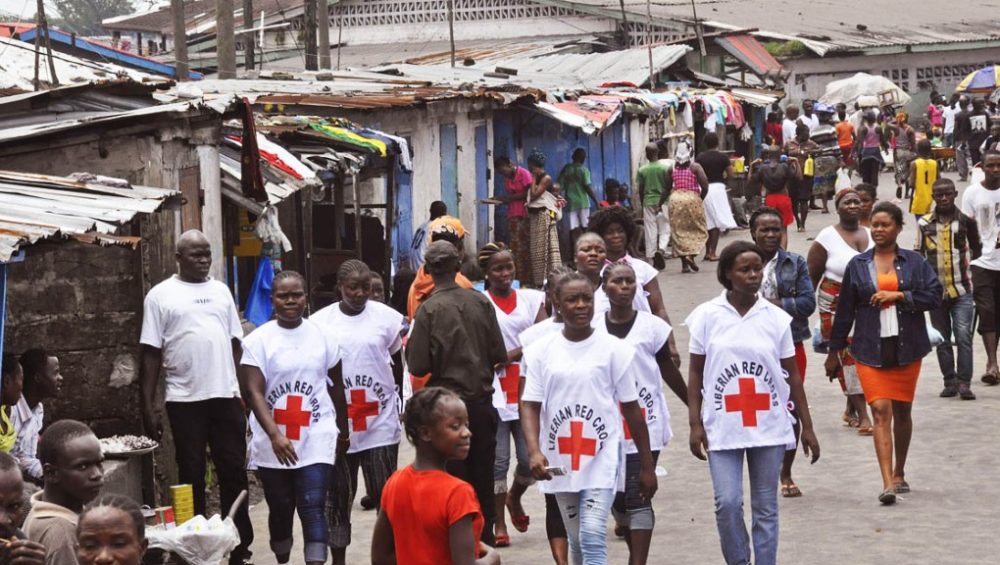
Governments in Uganda, Kenya, and across the region are calling for tighter migration controls to contain the Bundibugyo strain of Ebola spreading from eastern DRC. President Museveni has urged vigilance and calm while warning against unnecessary travel, Kenya’s Health CS Aden Duale has announced intensified border screening, and international bodies like WHO and Africa CDC stress that mobility is a major risk factor in stopping the outbreak.
Eastern Democratic Republic of Congo’s Ebola outbreak is reshaping regional policy, with governments urging reduced movement to prevent cross‑border transmission. The Bundibugyo strain has already claimed more than 170 lives in Ituri Province and spilled into Uganda, prompting urgent calls for vigilance.
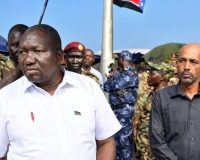
In Kampala, President Yoweri Museveni addressed the nation after Uganda confirmed its first imported case. He urged calm but emphasised that “Ebola only becomes deadly when there is lack of attention. Otherwise, it is very manageable.” Museveni directed health authorities to strengthen surveillance at border points and advised citizens to avoid unnecessary travel into outbreak zones. Uganda has deployed rapid response teams to towns along the DRC border, isolating suspected contacts and tracing travellers linked to the outbreak.
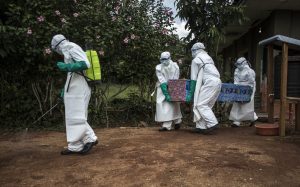
Kenya has taken similar steps. Health Cabinet Secretary Aden Duale, speaking at the World Health Assembly in Geneva, warned that porous borders and trade routes pose risks to Kenya despite no confirmed cases. He announced intensified screening at airports, seaports, and land crossings, with more than 34,000 travellers monitored in recent days. Duale urged Kenyans to avoid unnecessary trips to affected areas and called for equitable global financing to support African countries facing outbreaks.
International bodies are reinforcing these measures. WHO’s Emergency Committee has advised states to activate national disaster mechanisms, strengthen surveillance, and restrict high‑risk mobility while avoiding blanket border closures that could drive unmonitored crossings. Africa CDC has warned that mining communities and refugee flows in eastern DRC heighten the risk of regional spread, calling for coordinated monitoring along major transit routes.
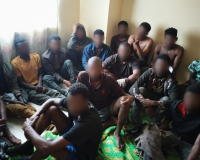
For displaced families, the directives mean greater scrutiny at borders and reduced freedom of movement. In Ituri, thousands already uprooted by conflict now face checkpoints and health screenings that confine them to camps. In Uganda, rapid response teams are isolating high‑risk contacts, while Kenya has mapped mobility in Busia and Malaba to anticipate potential risks.
The convergence of war and disease in eastern DRC underscores the dilemma: movement is both a survival strategy and a transmission risk. Governments are urging reduced migration to contain Ebola, but humanitarian agencies warn that displaced populations cannot simply stay put in conflict zones. The challenge now is balancing public health with human security—ensuring that restrictions do not trap families in danger while still preventing the virus from crossing borders unchecked.