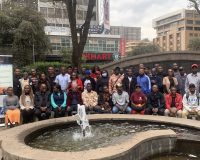
Theme: ‘Migration Advocacy Fellowship Program: Empowering Change Agents Across Africa.’
The Migration Advocacy Fellowship Program is a dynamic initiative designed to empower journalists, migrants, civil society organizations (CSOs), NGOs, and other development partners across Africa who are passionate about addressing migration-related issues.
Through a comprehensive fellowship experience, participants will gain valuable skills, knowledge, and networks to become effective advocates, storytellers, and catalysts for positive change in their communities.
Objectives for our Fellowship Program
Capacity Building: Provide fellows with specialized training, resources, and mentorship to enhance their understanding of migration dynamics, policy frameworks, and advocacy strategies.
Collaboration and Networking: Foster a vibrant community of practice by connecting fellows with diverse stakeholders, including experts, policymakers, activists, and fellow advocates, to facilitate collaboration, knowledge sharing, and collective action.
Leadership Development: Empower fellows to become influential leaders and change agents in the field of migration advocacy, equipping them with the skills, confidence, and networks to drive meaningful impact.
Amplifying Voices: Elevate the voices, perspectives, and experiences of migrants and marginalized communities through innovative storytelling, advocacy campaigns, and media engagement initiatives led by fellows.
Policy Influence: Support fellows in developing evidence-based advocacy initiatives and policy recommendations to influence decision-makers, shape public discourse, and advance migrant rights and inclusion.
Sustainability and Impact: Foster long-term partnerships and collaborations to ensure the sustainability and scalability of fellows’ initiatives, maximizing their collective impact on migration-related issues.

Components of our Fellowship Program
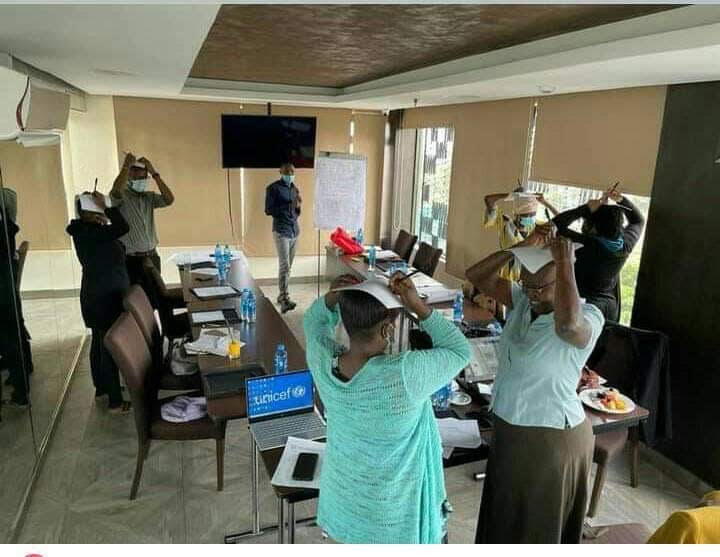
Training and Workshops: Immersive training sessions covering a wide range of topics, including migration trends, human rights frameworks, advocacy strategies, media engagement, storytelling techniques, and project management skills.
Mentorship and Coaching: Individualized mentorship and coaching from seasoned professionals and experts in the field of migration advocacy, providing guidance, feedback, and support throughout the fellowship journey.
Field Visits and Experiential Learning: Opportunities for fellows to engage directly with migrant communities, visit relevant organizations and institutions, and participate in advocacy campaigns and initiatives on the ground.
Project Implementation: Support fellows in developing and implementing advocacy projects, media campaigns, research initiatives, or community-based interventions focused on addressing specific migration challenges or promoting migrant rights and inclusion.
Networking Events and Conferences: Access to networking events, conferences, and seminars where fellows can connect with key stakeholders, showcase their work, and contribute to broader discussions on migration-related issues.
Impact Evaluation and Learning: Regular monitoring and evaluation of fellows’ progress and impact, along with opportunities for reflective learning, peer exchange, and sharing of best practices to inform future programmatic efforts.
Expected Fellowship Program Outcome
By the end of the fellowship program, participants will emerge as skilled, empowered, and connected advocates for migrant rights and inclusion, equipped with the knowledge, networks, and resources to drive positive change in their communities and beyond. Through their collective efforts, they will contribute to fostering a more inclusive, rights-based approach to migration governance and advancing the well-being and dignity of migrants across Africa.