A CNN investigation has revealed how African men, lured by promises of jobs, high salaries, and citizenship, were coerced into joining Russia’s war in Ukraine. The exposé has triggered outrage across Africa and internationally, with governments, civil society, and global organizations scrambling to respond to what is increasingly seen as a dangerous new form of migrant exploitation.
A CNN investigation published in February 2026 has uncovered how African men, particularly from Kenya, Uganda, Ghana, and Nigeria, were deceived into joining Russia’s war in Ukraine. Many went in the hopes of securing a decent job but instead, were coerced into military service, deployed to Ukraine with minimal training, and subjected to racism, abuse, and exploitation.
The story of Francis Ndung’u Ndarua, a 35‑year‑old Kenyan, illustrates the human toll. Francis left his home after paying an agent $620 for what he believed was an electrical engineering job in Russia. Within weeks, he was forced into military training and sent to Ukraine. In December, his mother Anne received a chilling video of Francis warning other Africans not to fall for similar offers: “You’ll end up being taken to the military even if you’ve never served in the military, and you’re taken to the frontline battle. And there are true killings. Many friends have died in the name of money.” Weeks later, another video went viral showing Francis strapped with a land mine, visibly terrified, as a Russian speaker hurled racist slurs. His fate remains uncertain, and his mother’s plea is heartbreaking: “They lied to them about real jobs and now they’re in war with their lives in danger.”
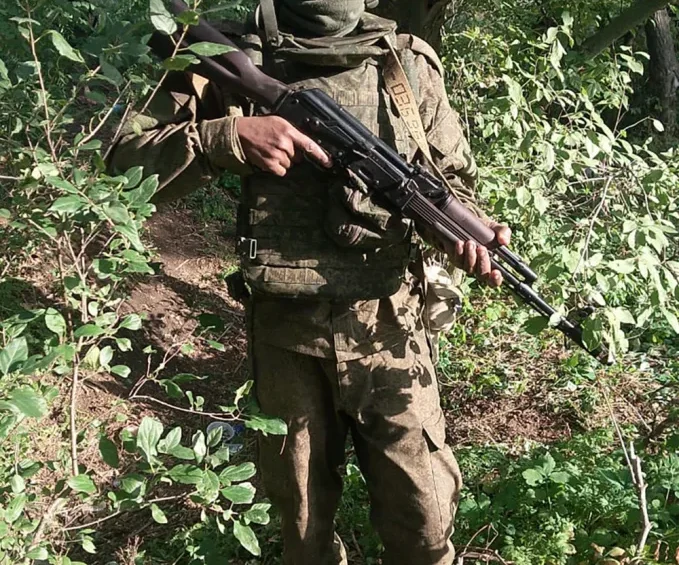
CNN spoke with 12 African fighters still in Ukraine who described being misled, exploited, and trapped. Many said their passports were confiscated, making escape nearly impossible. Several reported not receiving any of the promised salaries, while others recounted being robbed by fellow soldiers or recruitment agents. Some described being forced to hand over bank cards and PIN numbers at gunpoint, only to find their accounts emptied.
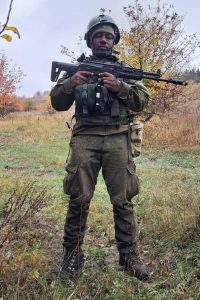
The investigation revealed that recruitment agents used messaging apps and social media to target African job seekers. Contracts were often written in Russian, with no translation or legal support provided. Recruits were pressured to sign documents that locked them into long‑term obligations, including combat deployments abroad, strict loyalty requirements, and even bans on foreign travel. Some African recruits reported being used as “can‑openers” — forced to walk into dangerous positions to expose Ukrainian defenses. Others described racism, psychological abuse, and deliberate exposure to deadly missions while Russian soldiers remained in safer positions.
The revelations have prompted responses across Africa. Kenyan officials have acknowledged the scale of the problem and warned citizens against falling for fraudulent job offers. The Ministry of Foreign Affairs has urged Kenyans to avoid recruitment schemes linked to Russia and pledged to strengthen consular support for those trapped abroad. Uganda has confirmed cases of Ugandan nationals being duped into joining Russian forces, issuing warnings and working with embassies to track citizens who may have been recruited. South Africa has been rocked by allegations that Duduzile Zuma‑Sambudla, daughter of former President Jacob Zuma, was involved in recruiting men to fight for Russia. Police have launched investigations into claims that 17 South African men were lured to Russia under false pretenses. Botswana has acknowledged the issue and joined calls for regional cooperation to prevent further exploitation. Ukraine has urged African nations to halt the flow of recruits, warning that anyone fighting for Russia will be treated as an enemy combatant.
International organizations and civil society groups have also raised alarms. UNHCR has expressed concern about the vulnerability of refugees and migrants to fraudulent recruitment schemes, emphasizing the need for stronger protections and awareness campaigns. Human Rights Watch has called for investigations into human trafficking and coercion linked to Russian recruitment in Africa. The African Union has been urged to take a stronger stance, with civil society groups demanding coordinated action to protect African citizens from exploitation abroad.
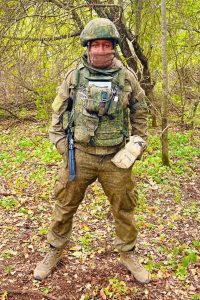
Russia’s recruitment of African men reflects broader geopolitical dynamics. Facing manpower shortages as the war in Ukraine drags into its fourth year, Moscow has turned to foreign recruits to bolster its ranks. State media has spotlighted African fighters receiving Russian citizenship or public congratulations, portraying them as committed contributors to Russia’s war effort. But behind the propaganda lies a grim reality: unpaid wages, broken promises, and countless casualties. African recruits describe seeing the bodies of fellow countrymen left to rot on the battlefield, losing limbs without compensation, and enduring constant abuse.
The CNN investigation has shed light on a disturbing pipeline of exploitation, where African men are deceived into fighting a war they never signed up for. Governments across Africa are beginning to respond, but the scale of the problem demands urgent regional and international cooperation. For families like Anne Ndarua’s, the issue is deeply personal. Her son Francis remains missing, a symbol of the countless lives caught in the crossfire of deception and war.