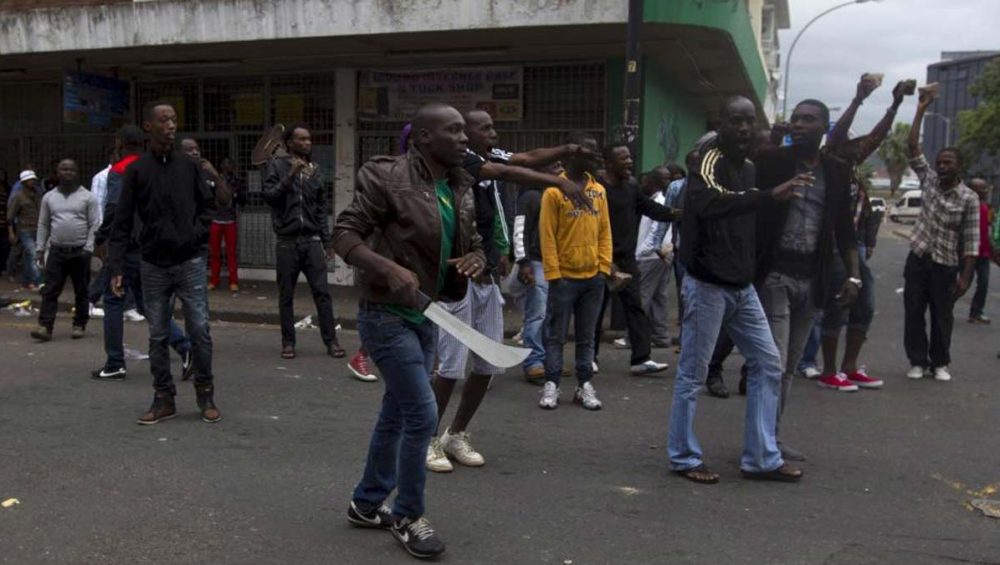
Fresh violence targeting foreign nationals has broken out in South Africa, with migrants from Nigeria, Ghana, Zimbabwe, Mozambique and other African countries reporting assaults and harassment in Johannesburg, Cape Town and KwaZulu-Natal. Over the past two weeks, videos have circulated online showing groups confronting migrants, demanding they leave the country, and in some cases attacking them with clubs and machetes.
Fresh violence targeting foreign nationals has broken out in South Africa, with migrants from Nigeria, Ghana, Zimbabwe, Mozambique and other African countries reporting assaults and harassment in Johannesburg, Cape Town and KwaZulu-Natal. Over the past three weeks, videos have circulated online showing groups confronting migrants, demanding they leave the country, and in some cases attacking them with clubs and machetes.
Nigeria confirmed the deaths of two of its citizens and announced plans to evacuate nationals who wish to return home. Ghana summoned South Africa’s chargé d’affaires in Accra after a Ghanaian man was filmed being harassed in KwaZulu-Natal. Zimbabwe, Malawi and Lesotho have issued warnings urging their citizens to remain indoors, while Mozambique’s president raised the matter directly with President Cyril Ramaphosa.
Civil society groups and church leaders have condemned the attacks, describing them as a violation of human dignity. The Inter-Regional Meeting of the Bishops of Southern Africa called on governments to protect migrants and refugees. Veteran Nollywood actor Kanayo O. Kanayo also used the Africa Magic Viewers’ Choice Awards stage to denounce the attacks, urging Africans to speak out against xenophobia.
President Ramaphosa has denounced the violence, saying there is “no place for xenophobia in South Africa” and urging citizens to uphold the rule of law. His government faces a difficult balancing act: addressing domestic frustrations over unemployment and strained public services, while maintaining diplomatic relations with African peers who provided refuge to South Africans during apartheid.
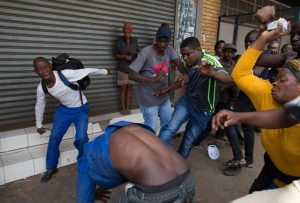
The current unrest echoes earlier outbreaks of xenophobic violence in South Africa, notably in 2008, 2015, and 2019, when dozens of migrants were killed and thousands displaced. Analysts say the recurrence points to systemic governance failures and the rise of populist movements such as Operation Dudula, which campaign against undocumented migrants and have been accused of inciting violence.
For now, foreign nationals in South Africa remain on high alert, with multiple African governments urging caution and some preparing to repatriate their citizens. The situation has once again placed South Africa under scrutiny, raising questions about its commitment to regional solidarity and the protection of migrant communities.
Additional reporting by Reuters Africa, BBC Africa, Al Jazeera Africa, VOA Africa.