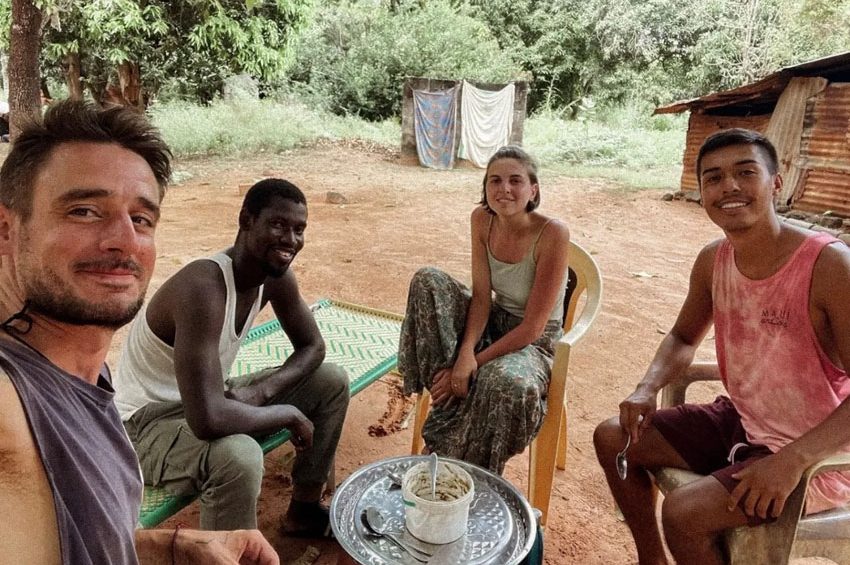
I’m Eva, a 23-year-old who embarked on a journey from my parents’ home in Belgium two years ago with a simple goal: to live amidst love and fresh air.
In October 2022, I found myself at Ferme Agroécologique Karamba in Senegal. Initially planning to stay for just a month, I inexplicably extended my stay.
Life at the farm was stark compared to what I was used to back in Belgium. Showers were taken with a bucket atop a concrete brick, electricity was scarce, and our meals consisted primarily of niakata (white rice) and fish.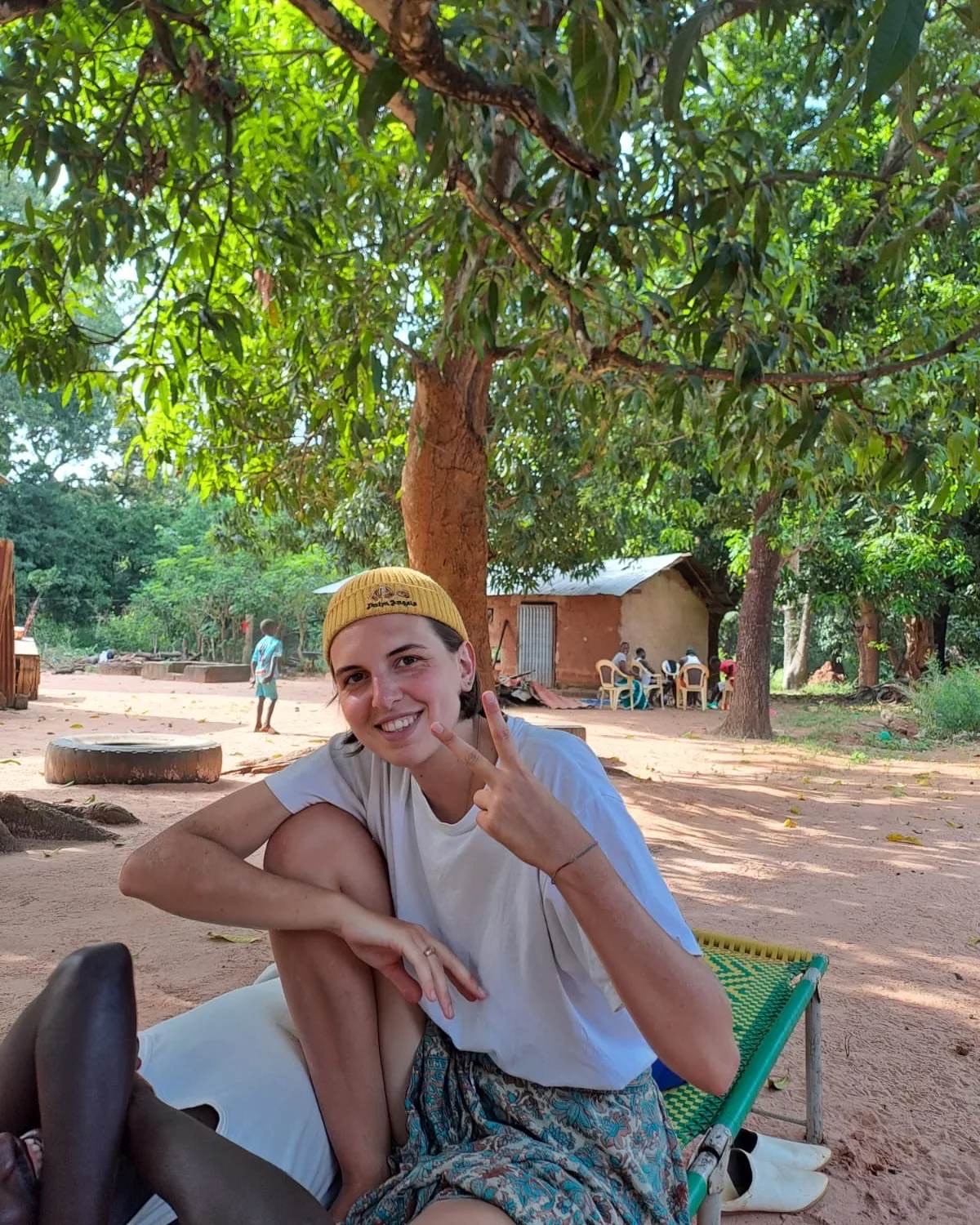
Working as a volunteer in the scorching sun, tirelessly weeding the vegetable plots, was tough. Yet, amidst this challenging environment, far removed from the idyllic beaches of Cap Skirring, I felt an unparalleled sense of belonging and security.
I felt safe because I knew I’d always have food to eat, and I’d never be alone with such supportive people around me. It was during my second visit to Senegal, three months after leaving the farm, that I realized something was amiss within me. My plans to travel the world that year had changed drastically; I couldn’t envision myself anywhere else. It wasn’t an easy decision, but the learning experiences and sense of community kept me rooted in this special place in the South of Senegal, nestled amidst mango and cashew apple forests.
Karamba Farm isn’t just about agriculture; it’s a social project. Our primary goal is farming, but once we generate income and can afford to pay our team, we aim to employ young people and women from the village. Our ultimate mission at Karamba is to stem emigration, a prevalent issue in daily life here. I was startled to discover a WhatsApp group filled with images of those lost at sea on pirogues—individuals who didn’t survive their quest for a better life.
Bourama, the founder of Karamba, initiated the project in 2016. He’s now my husband, and I’ve committed myself to his cause. Around 2020, he made a conscious decision to invest his savings in digging a well—a sum equivalent to the cost of a ticket on a pirogue to Europe.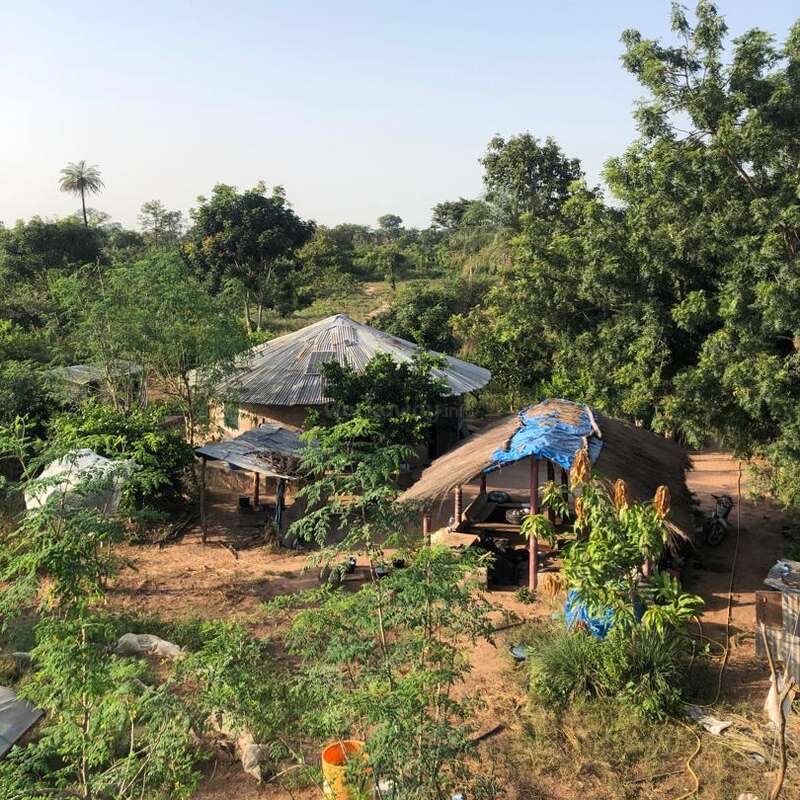
He chose to invest in his own village, a decision that has paid off. Today, people from cities like Dakar, Ziguinchor, and Thies are buying land and investing in the fertile lands of green Casamance. And now, with Bassirou Diomaye Diakhar Faye as President, and Ousmane Sonko as the Prime Minister, it is possible that the future of agriculture and the entire agricultural development in the country looks promising. The two have always been very categorical on this.
Friends like Kader, who started his own farm in 2020, and others like Jules and Papis, who share our daily struggles in the fields, are evidence of a growing movement towards sustainable agriculture in Senegal.