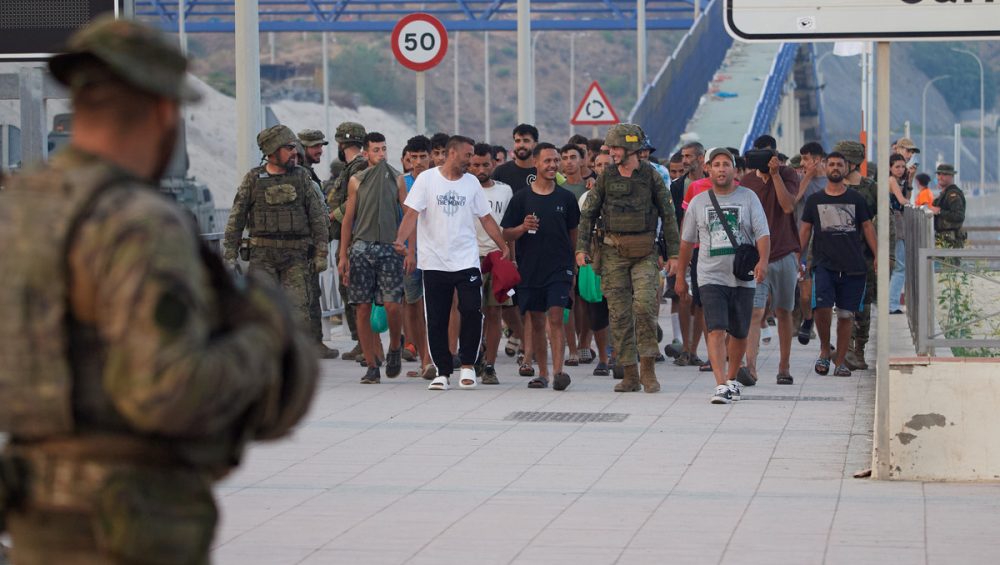
More than 60,000 migrants from Morocco crossed through the border into Spain’s North African enclave of Ceuta in one of the largest irregular migration movements reported in recent years. While global attention focused on the unprecedented border crossing, humanitarians’ agencies and Spanish authorities are now looking at a different challenge -caring for thousands of vulnerable people left behind.
More than 60,000 migrants from Morocco crossed through the border into Spain’s North African enclave of Ceuta in one of the largest irregular migration movements reported in recent years. While global attention focused on the unprecedented border crossing, humanitarians’ agencies and Spanish authorities are now looking at a different challenge -caring for thousands of vulnerable people left behind.
The immediate crisis may have passed, but overcrowded shelters, separated families, unaccompanied children and renewed political tensions have exposed deeper questions concerning the management of migration between Africa and Europe.
Following one of the largest unauthorized migration spikes into the Spanish enclave of Ceuta in recent times, Spanish authorities and humanitarian societies have been working to respond to the prompt needs of thousands of migrants who crossed from Morocco. The Exodus, which involved more than 60 ,000 lives over a short period of time, placed significant pressure on border security, emergency services and temporary reception centers.
Reporting by Reuters, BBC News, CNN and Al Jazeera indicates that majority of the migrants crossed by swimming around border barriers or using other Winding trails in search of safety, economic opportunities or a better future in Europe. While almost half of the migrants have since been returned to Morocco, the crisis left behind a humanitarian issue that continues to shape discussions on border administration, borderline security and the protection of vulnerable persons.
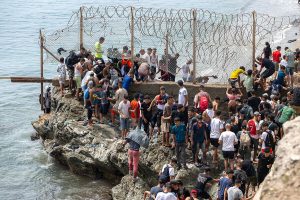
The crossing carried with it devastating human cost. According to Reuters, the mass migration border surge from Morocco into the Spanish enclave of Ceuta resulted into a death toll of 72 on Spanish side and 11 on the Morocco side. The fatalities show the various means migrants are willing to use in pursuit for safety, stability and economic opportunity.
Beyond the death toll, the crisis left thousands of migrants in overcrowded reception centers, while Spanish officials and humanitarian societies collaborated to provide emergency assistance, medical care and temporary shelters. The arrival of large numbers of unaccompanied minors further complicated the response, placing additional pressure on child protection and local resources.
For many migrants, reaching Ceuta did not mark the end of the journey. Instead, it became a genesis of new uncertainties involving refugee procedures, possible re-entry, family separation and an uncertain future. As emergency operations continue, the events in Ceuta have reignited debate over Europe’s migration policies and the need for coordinated responses that balance border security and humanitarian protection.
The official response to the mass migration event in Ceuta involved immediate military and police by Spain, swift returns to the vast majority of crossers to Morocco and a coordinated diplomatic effort by the European commission to address border security and stem political fallout within the bloc.
Behind every statistic is a person with a story, a family and a hope for a better future. While crossing into Ceuta may have ended for many migrants, their search for safety, stability and economic opportunity continues. The events at the border underscore the importance of developing responses that recognize both the truths of migration and humanity of those who undertake such dangerous journeys.
Sources: Reporting and background reporting adapted from BBC News, CNN, Al Jazeera, Reuters, the Associated Press and Financial Tim