“…when you mention that you are a refugee, even the person that had respected you for the first time, they start seeing you as vulnerable there and then. You end up feeling too small…”
I grew up in a refugee camp, and reintegration into mainstream society has never been easy. When I moved into Kampala, even simple tasks like crossing busy highways, navigating crowded markets, or sharing hostel rooms with strangers felt overwhelming. These challenges tested my resilience and adaptability, but they also showed me how much effort it takes to belong in a new environment.
I was not born in Kyangwali Refugee Settlement, but I ended up there with my family when I was young. As I grew older, I sought further education and eventually moved out. That transition was difficult. I had to deal with cultural adjustments, educational gaps, and the social stigma that comes with being a refugee.
Living between two worlds has been my reality. I have had to preserve my heritage while adapting to new norms. It is not always easy because you meet people living completely differently. The standards of living, the language, the culture, and the finances make it hard to fit in. Even when I studied Economics at Makerere University under the Mastercard Foundation scholars’ program, I faced discrimination simply because of my refugee status. Once you mention you are a refugee, people who respected you suddenly see you as vulnerable, and you end up feeling too small.
Language barriers made things worse. I spoke Kinyarwanda and Kiswahili in the camp, but in Kampala I was judged for not quickly adapting to local languages. When I used English, people thought I was bragging. That made me feel isolated and misunderstood.
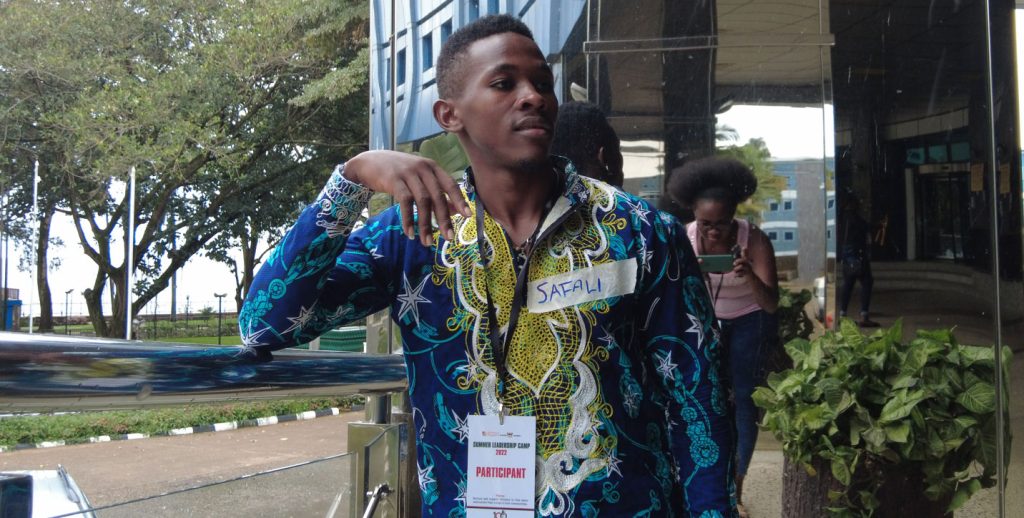
Social life was another hurdle. On campus, students preferred to interact with peers from wealthy families. As a refugee, making friends was difficult unless someone felt empathy. At the same time, academic challenges weighed heavily on me. While others focused on studies, I often thought about problems back home, the people I could be supporting, and the issues facing my community. This delayed my graduation and made my academic journey harder than most.
I know I am not alone in this struggle. Community leaders that I have interracted with through Migrant Narratives Africa’s platform, like Arthur Musombwa, have spoken about the language barriers and bureaucratic hurdles that make life harder for refugees in cities. Letters of recommendation and endless paperwork stand between us and opportunities. He has said that while Kampala offers opportunities, the settlement system is very different, and without equal access, life becomes extremely difficult.
For me, the call is simple. I want equal opportunities in employment and stronger psychosocial support. After school, I do not have relatives to lean on. I want to be sure that I can get a job like any other person. My hope is that by sharing my story, I can inspire understanding and compassion, and show that despite the hurdles, refugees like me are determined to contribute meaningfully to the societies we now call home.