Migrant Narratives Africa is a digital publication that uses Multimedia Journalism to tell the narratives of migrants while covering migration news altogether.
Besides these noble courses, we embrace fair coverage of migration news. On this background, together with experts and development partners, we have in place programs to conduct training & capacity building sessions for journalists across various media houses in the African continent.
Our General Theme for the Trainings we conduct is: ‘Promoting Ethical Reporting on Migration.’
The training program aims to equip journalists across African media houses with the necessary skills and ethical frameworks to report on migration issues with accuracy, sensitivity, and fairness. By fostering a deeper understanding of migrant narratives and migration-related challenges, journalists will be better equipped to produce nuanced, informative, and responsible journalism.
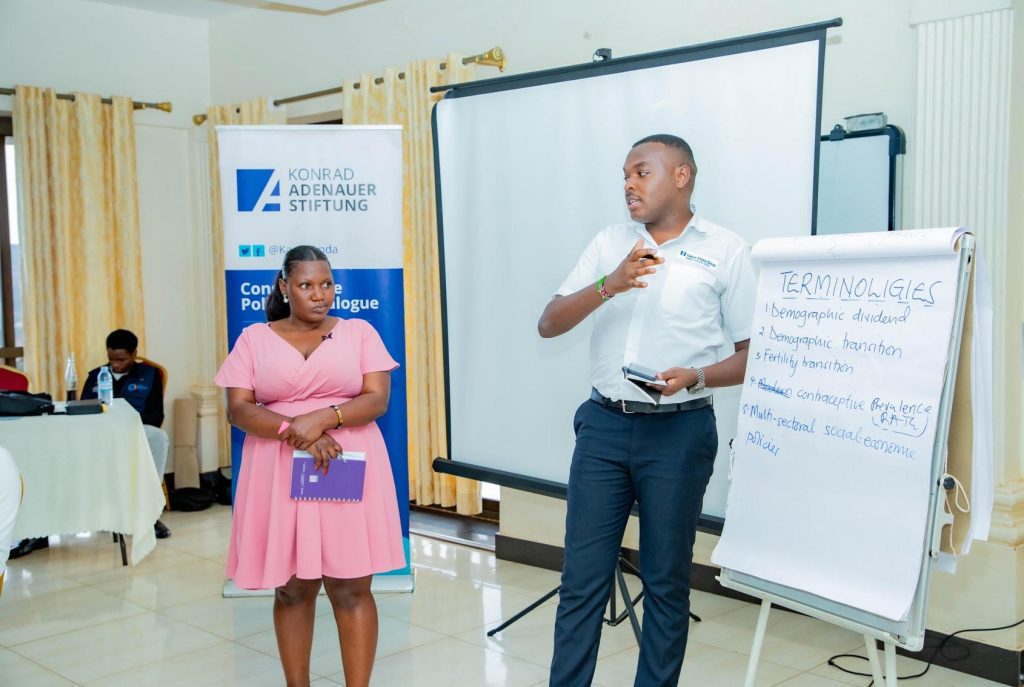
Objectives for our training
Enhance Understanding: Provide journalists with comprehensive insights into the complexities of migration, including its causes, dynamics, and impact on individuals and societies.
Foster Empathy and Sensitivity: Encourage journalists to approach migration reporting with empathy, understanding, and respect for the dignity of migrants, while also acknowledging the diverse experiences within migrant communities.
Promote Ethical Reporting: Introduce journalists to ethical guidelines and best practices for reporting on migration, emphasizing principles such as accuracy, fairness, impartiality, and avoiding stereotypes or sensationalism.
Build Skills: Offer practical training sessions covering research methodologies, interviewing techniques, fact-checking procedures, and multimedia storytelling tools to enhance the quality and depth of migration reporting.
Address Challenges: Explore common challenges and pitfalls in migration reporting, such as misinformation, biased narratives, political agendas, and ethical dilemmas, and provide strategies for overcoming them.
Encourage Collaboration: Foster collaboration and networking opportunities among journalists from diverse backgrounds and media outlets to share experiences, resources, and expertise in migration reporting.
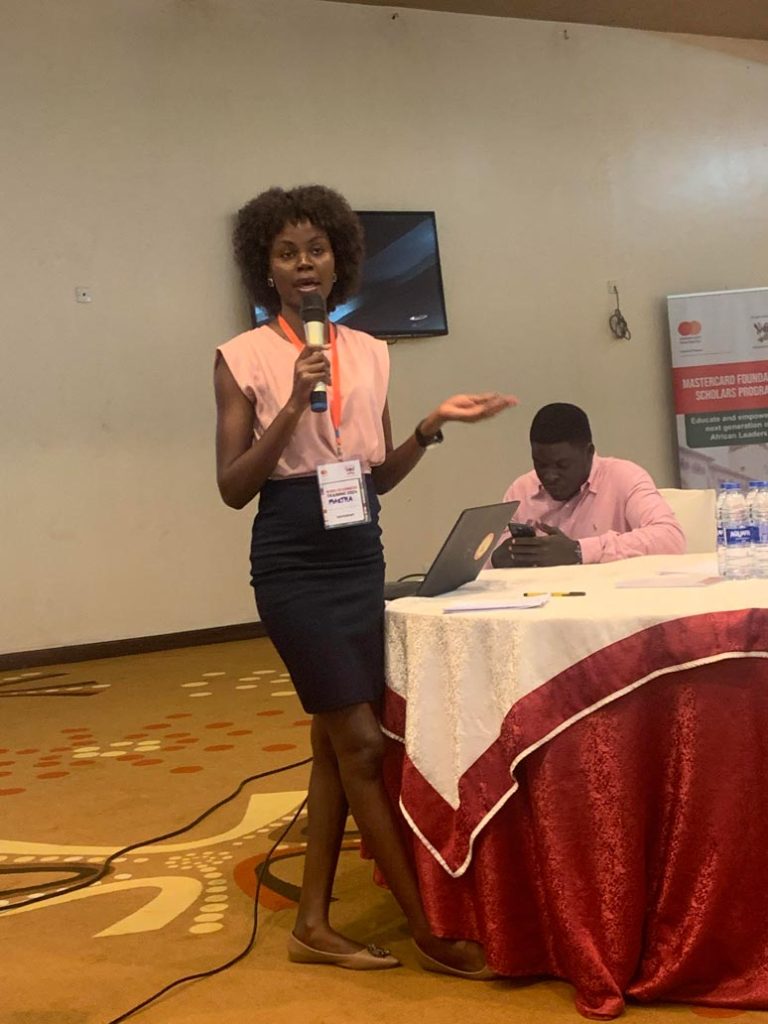
Components of our Training
Workshops: Interactive workshops led by experts in migration studies, journalism ethics, and multimedia storytelling, focusing on theoretical frameworks, case studies, and practical exercises.
Case Studies: Analyze real-life examples of migration reporting, both successful and problematic, to identify key principles, challenges, and lessons learned.
Field Visits: Organize visits to migrant communities, shelters, or NGOs working with migrants to provide firsthand insights and facilitate meaningful interactions for journalists.
Skills Development: Hands-on training sessions covering research techniques, interview skills, multimedia storytelling tools (e.g., photography, videography, data visualization), and fact-checking methods.
Peer Review and Feedback: Facilitate peer review sessions where journalists can share their work, receive constructive feedback, and engage in discussions on improving their reporting practices.
Resource Sharing: Provide access to resources, reference materials, and online platforms for continued learning, networking, and collaboration beyond the training program.

Expected Outcome
Upon completion of the training program, participating journalists will have a deeper understanding of migration issues, enhanced reporting skills, and a commitment to ethical and responsible journalism. They will be better equipped to produce accurate, balanced, and impactful stories that amplify migrant voices, challenge stereotypes, and contribute to informed public discourse on migration in Africa.