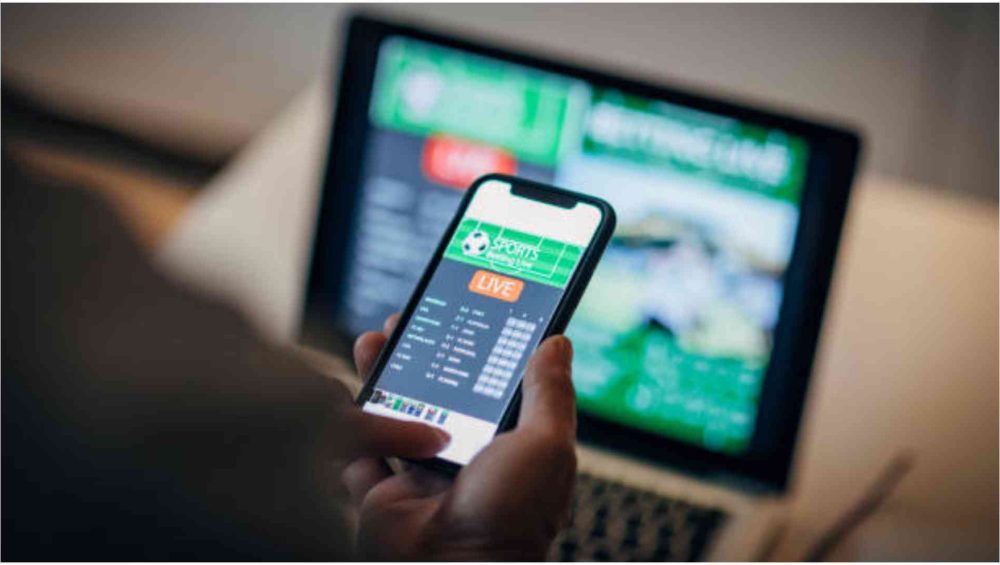
In countries like Bahrain and Qatar, where gambling is outlawed under Islamic law, a growing number of African migrants are risking it all—not in casinos or betting shops, but behind closed doors and on smartphone screens, navigating restrictions using VPNs and foreign betting apps.
Migrant Narratives Africa speaks to three East Africans living both in Bahrain and Qatar on condition of anonymity, who admit to undertaking sports betting and other forms of gambling for survival despite strict regulatory frameworks.
A section of African migrant workers in the Gulf have found themselves trapped in the invisible struggle of illegal sports betting for survival, or to just have that extra buck to send back home.
In countries like Bahrain and Qatar, where gambling is outlawed under Islamic law, a growing number of African migrants are risking it all—not in casinos or betting shops, but behind closed doors and on smartphone screens, navigating restrictions using VPNs and foreign betting apps.
Migrant Narratives Africa speaks to three East Africans living both in Bahrain and Qatar on condition of anonymity, who admit to undertaking sports betting and other forms of gambling for survival despite strict regulatory framworks. The three tell us that they represent thousands hooked in the vice, who cannot come out publically for fear of deportation and other penalties.

“I Thought It Would Help Me Survive”
Edward Kiplimo*, a 32-year-old Kenyan who currently lives in Qatar, knows this struggle intimately. “I started gambling back home,” he recounts. “So when I came to Qatar and the company that brought me here abandoned me, I turned to betting to survive.”
Alone in a foreign country and under immense pressure from family back in Kenya, Edward continued to gamble even after eventually securing another job. “As the first-born son and a father of one, I had responsibilities. I had to keep sending money home—it would have been shameful not to, especially after ‘boarding a plane’ to go work abroad. People expect success, not excuses.”
He sends a portion of his wages to his wife and child every month, but much of the remainder is swallowed up by gambling apps. “Even now that I have work, I still gamble. Who knows, maybe this might be my ticket to success,” he says, half hopeful, half resigned.

Forbidden, Yet Widespread
In Bahrain, Ali Mohammed*, another Kenyan migrant, brushes off any suggestion that he might be addicted. “I just do it for fun,” he claims. “It’s the only leisure activity I have.”
Ali has been living in Bahrain for three years. Like many others, he uses VPNs to bypass the country’s stringent internet restrictions and access international betting sites. Gambling in Bahrain is strictly illegal, and the risk of arrest or deportation is real. Yet enforcement remains lax in the digital realm, and many migrants take the risk.
“Most of us don’t talk about it openly. It’s a taboo here,” Ali says. “But the dream of winning big is always there. I want to own a house, a car, and get business capital. It’s hard not to think that maybe one big win could change everything.”
The fantasy of instant wealth is fueled in part by the stark contrast between the lives of the migrants and the ostentatious lifestyles of their wealthy employers. “We see the luxury—cars, gold, malls—and wonder if we could ever get close,” Ali adds. “So we bet.”
“We Lose More Than We Win”
Abraham Twesigye*, a 25-year-old Ugandan working as a security guard in Bahrain, offers a sobering perspective. “That’s part of it—we lose more than we win,” he says. “Even if you know you’re going to lose, you still bet. It’s hard to stop.”
Abraham doesn’t have any children or a spouse, which he says makes it easier to absorb the losses. But he admits the spending gets out of hand. “I’ve spent more than I should. Now that the leagues are over, I’ll bet less… but stopping completely? That’s hard.”
He describes gambling as “an addiction worse than alcohol,” largely because it’s invisible. “No one knows how much you’ve lost unless you tell them. It’s secret, but it’s destroying people from the inside.”
The Kafala System: A Double-Edged Sword.
The Kafala system, prevalent in many GCC countries, ties migrant workers to their employers, restricting their ability to change jobs or leave the country without permission. This system, while intended to protect workers, often becomes a tool for exploitation. Employers may withhold wages, impose long working hours, and confiscate passports, leaving workers vulnerable to abuse and unable to seek help. In some cases, workers resort to illegal activities, such as gambling, as a desperate attempt to regain some control over their lives.
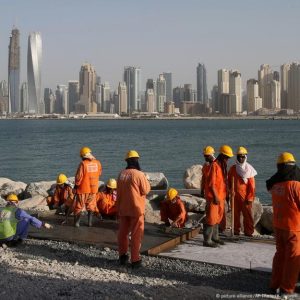
“The system itself is oppressive,” says a rights advocate based in the region. “When you can’t change jobs, can’t leave the country, and can barely make ends meet, gambling becomes less about greed and more about survival.”
A Growing but Unspoken Crisis
Reliable data on gambling among migrant workers in the Gulf is scarce due to the legal risks and stigma attached. But anecdotal reports suggest that the trend is spreading, especially among Kenyan and Ugandan communities, who share betting tips on encrypted messaging apps and social media.
Most workers remain in denial about their gambling habits. Yet behind closed doors, the stories repeat themselves—missed remittances, mounting debts, borrowed phones, and sleepless nights staring at odds tables from far-off leagues.
Support systems
There are efforts underway to improve the conditions of Kenyan migrant workers in the Gulf. The Kenyan government has announced plans to establish safe houses in countries like Saudi Arabia and the UAE to shelter distressed workers before repatriation. But these do not address deeper systemic issues—nor the psychological toll of gambling.
What’s urgently needed, experts say, are support systems tailored to the unique pressures faced by migrant workers: access to mental health support, financial literacy programs, and better oversight of digital platforms that exploit their hopes.
As Abraham puts it, “We didn’t come here to gamble. But sometimes, you reach a point where you just need something—anything—that makes you feel like you have a chance.”
END
Please Note:
Names and identifying details have been changed to protect the privacy of individuals involved.