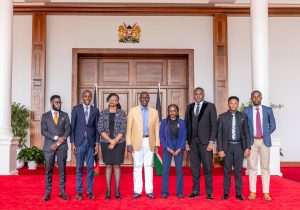
The Diaspora Technical Working Group (DTWG), which brings together Kenyan professionals from across the globe, is engaging key government ministries and parastatals in a bid to anchor diaspora voices in national decision-making and development.
A powerful coalition of over 100 Kenyan diaspora leaders has launched a nationwide campaign in Kenya, calling for full voting rights and greater political inclusion for citizens living abroad.
The Diaspora Technical Working Group (DTWG), which brings together Kenyan professionals from across the globe, is engaging key government ministries and parastatals in a bid to anchor diaspora voices in national decision-making and development.
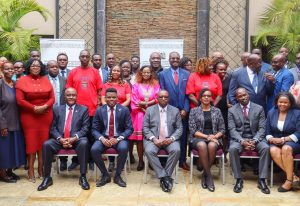
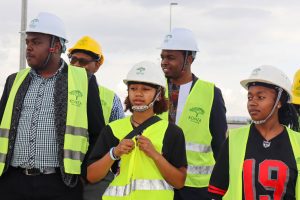
The group’s high-level engagements, which began earlier in June, have included talks with the National Treasury, Kenya Airways, Konza Technopolis, and the Kenya Tourism Board. Their agenda is twofold: to push for comprehensive electoral reform and to contribute directly to Kenya’s social and economic growth.
“We send billions home every year. We deserve a say in who governs and how our money is used,” said Danson Mukile, a US-based member of DTWG from Dallas, Texas.
Voting Rights: A Distant Dream for Many
Under current electoral law, diaspora voters must physically travel to designated embassies and consulates to cast their ballots—a major barrier for most. For Mukile, that would mean a 23-hour drive to Washington, DC, the nearest polling station.
This logistical hurdle has drastically limited voter turnout. Despite Kenya’s diaspora population estimated at over 3 million, only 10,000 diaspora Kenyans registered to vote in the last general election, and a mere 6,000 actually voted, according to data from the Independent Electoral and Boundaries Commission (IEBC).
DTWG is now urging Parliament to amend the law and expand voting access, including through early voting and secure digital platforms.
“But it’s Parliament that must act. We need both legal and technological reforms to make this a reality,” Mukile emphasized.
Development Beyond the Ballot
DTWG’s work, however, goes far beyond electoral advocacy. The group is also positioning itself as a development partner, offering skills, ideas, and investments to strengthen national institutions.
“We’re not here to ask for handouts. We’re here to offer solutions,” said Martin Koyabe, another DTWG member.
Among the initiatives being championed:
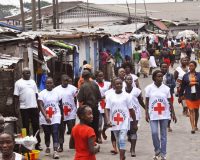
- Healthcare Support: Over 60 diaspora-based Kenyan nurses are volunteering to provide free medical services across counties.
- Youth Empowerment: DTWG is working with county governments to launch mentorship and training programs for unemployed youth.
- Affordable Housing Proposals: Members are sharing models for sustainable, low-cost housing in both urban and rural areas.
- Infrastructure Development: Diaspora engineers and planners are proposing road and transport solutions through bilateral dialogues.
- Financial Inclusion: The group is advocating for reforms to ease diaspora investment and reduce remittance transaction costs.
A Voice, Not Just a Wallet
In 2024 alone, Kenyans abroad sent home $4.8 billion—the country’s largest source of foreign exchange, surpassing tourism and exports. Yet many in the diaspora feel excluded from the political processes that determine how their contributions are managed.
With regional teams focused on unique challenges—such as protecting migrant workers in the Gulf, enhancing diaspora insurance schemes, and streamlining dual citizenship logistics—the DTWG is setting the groundwork for sustained diaspora engagement beyond crisis responses and remittance flows.
“We’ve proven we are not just contributors—we are stakeholders,” Mukile said. “It’s time the law and the system recognized that.”
As the group continues its tour and engages policy leaders, all eyes are on whether Kenya will heed the diaspora’s call—not just for the vote, but for a permanent seat at the table.