
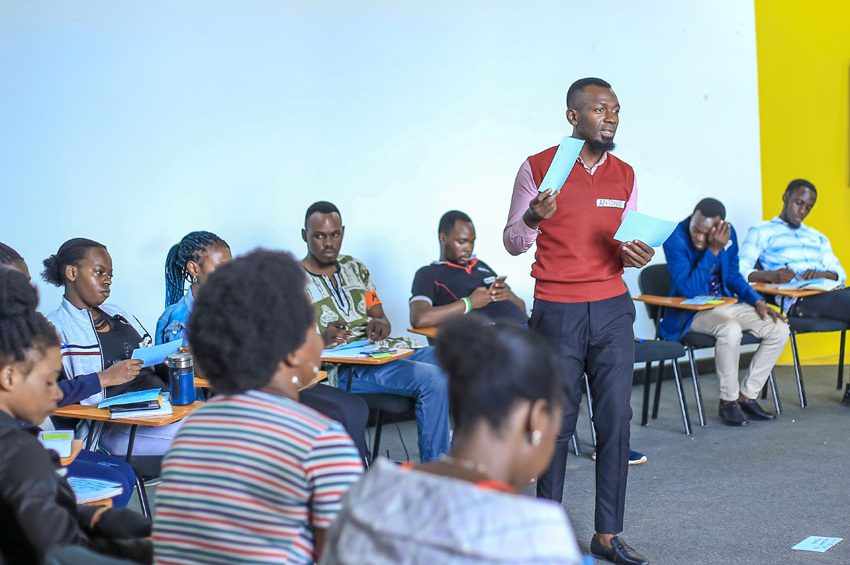
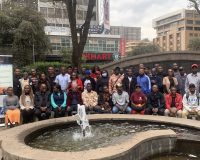
Journalists in Kampala have been tipped on reporting for under covered or underreported stories such as Migration, refugee crisis, gender based violence among others.
The training being conducted by Media Challenge Initiative (MCI) in partnership with UNESCO, is focusing on enabling and supporting young journalists to understand the underreported stories in the society and how to best amplify them.
Antonio Kisembo, the lead trainer told this publication that ‘the training comes in timely to cover the gaps of underreported stories in Uganda.’
“MCI is running a project with UNESCO to professionalize the media in Uganda, because we feel that there is a gap especially when it comes to the skills that journalists and media professionals need in this country. In this partnership we are doing under-reported stories so to make sure that stories that don’t get much attention in the media have an opportunity to understand what the underreported stories are,” Mr. Kisembo said.
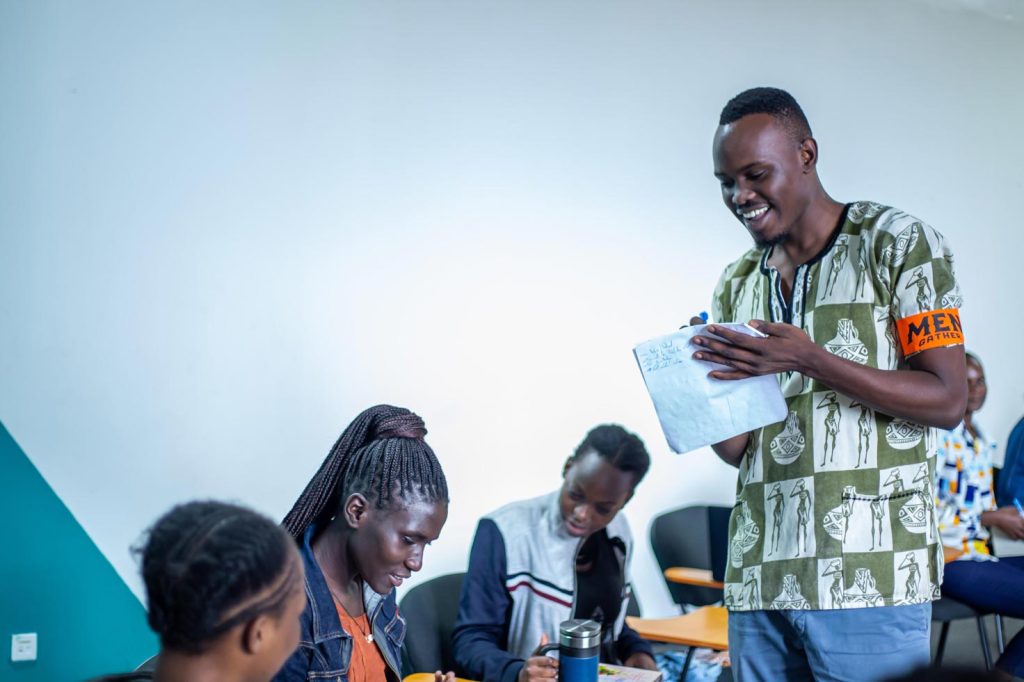
Birija Prudence Peace a journalist under the training said the opportunity was important for her in understanding the significance of the underreported stories and the need to actively stand out and tell them.
Some of the issues that are not given much attention to, according to Mr Kisembo include Migration, Climate Change, and other minority stories.
Edgar Karuhanga, a journalist who underwent the training as well, tells this publication that the training has been crucial in unveiling topics ignored by the mainstream media.
“As journalists there is mainly specific type of information that we focus on to break to the mainstream media, but this training sheds light on how to focus on other categories like minorities and dig deeper,” Mr Karuhanga said.
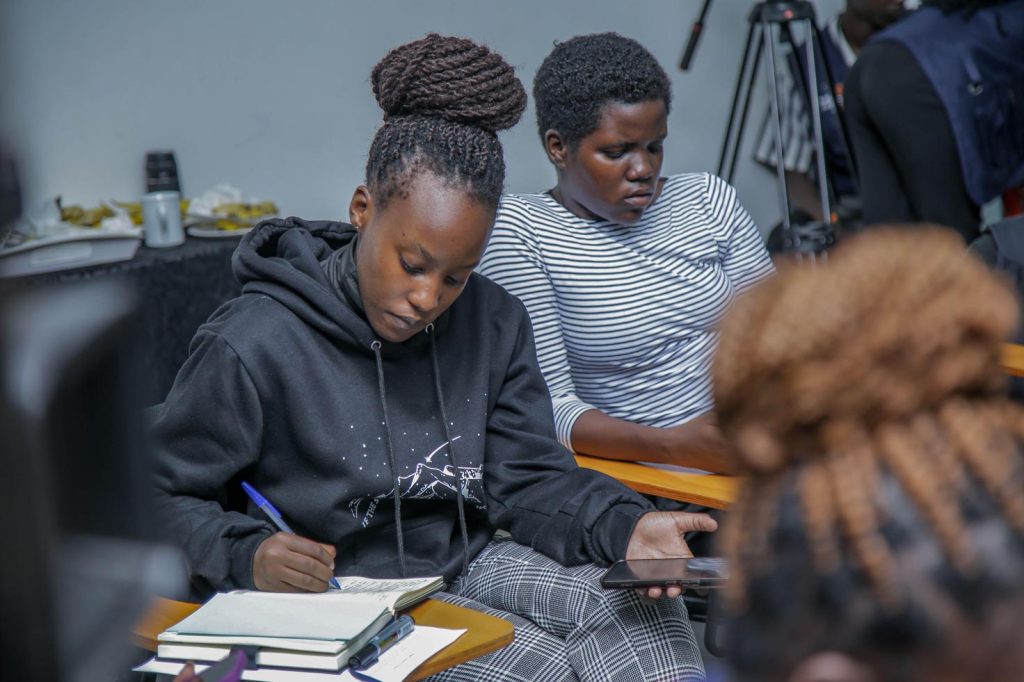
The training as well incorporated a general understanding of systems thinking to enable journalists analyse issues that affect the communities and countries they live and operate in as a whole.
Birija explains how this has benefitted her.
“The training on systems thinking lets us know that the whole is more important than the part. This in essence is meant to help us (journalists) appreciate the event as a whole as opposed to picking a part of it and reporting selectively. Looking at the whole structure, be it government systems, other organization systems and the like,” Ms Birija said.
Edgar Karuhanga here explains that the aspect of systems thinking has helped him to look at how the surface story is connected to the whole picture.
“In systems thinking, I have learned that you look at the story from a holistic point of view, not just narrowly,” Mr Karuhanga said.
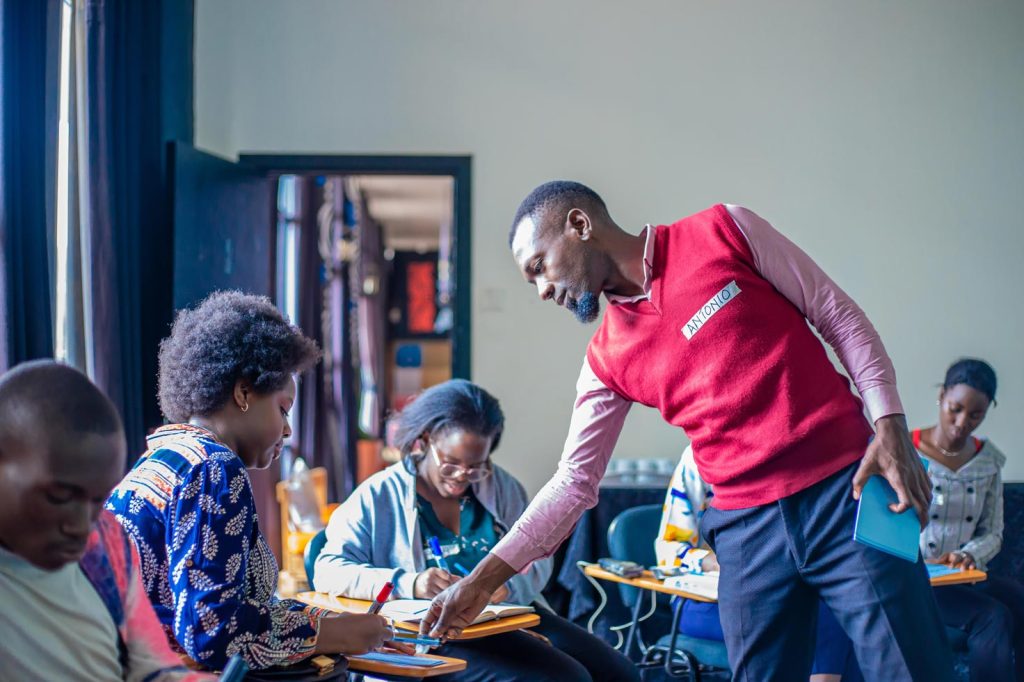
Antonio Kisembo, the lead trainer says the trainings have come in timely to enable young journalists unveil the most pertinent issues in society in a wholesome manner.



3 Comments
Hello, that is insightful, i was used to work in field of journalist in Eritrea television station for over 13 years. But Now I am migrated to beautiful Country Uganda 🇺🇬. Like Every Eritreans. When I was in this field there is no. Kind of this workshop. But I see by my Eyes many kind of development 🤔 in yours. So keep it up I am impressed by your media. GBU. Keep my adress for you only.
Hello, that is insightful, i was used to work in field of journalist in Eritrea television station for over 13 years. But Now I am migrated to beautiful Country Uganda 🇺🇬. Like Every Eritreans. When I was in this field there is no. Kind of this workshop. But I see by my Eyes many kind of development 🤔 in yours. So keep it up I am impressed by your media. Any how i want to give you information. Its about Eritreans who work under the refuge camp. They make corruption. It means they sell the work paper of to live in uganda. And the interview was delayed. Or give prioprity to the persons who give them cones. So its not fair. The registration office must be know or to take action in this kind of derogatory work, as well as they learn the peoples of uganda this part of unhumanity, in everything. such as at a time of interview for to be accept like a migrant, to give iydentity paper, i said this all because other refuges like sudan congoand Ethiopia take this in free, but Eritreans they must have paid more than 1000 $ why this happen, so please break the ice, before the broker be fit, and risky to remove them. GBU. Keep my adress for you only.
Hello,
Thank you for reaching out.
Please send us an email with the particulars of your inquiryy and the issue that needs investigation on our email.
Here is the email adress:
mnarratives.africa@gmail.com