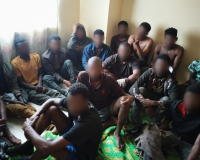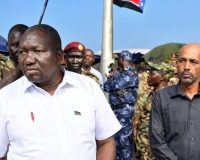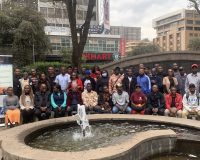
A new report, Weaponised Identity and Digital Polarisation in Kenya (Code for Africa, DW Akademie, Siasa Place, May 2026), reveals how social media platforms have amplified xenophobic and exclusionary narratives targeting migrants, refugees, and foreign nationals. From Somalis portrayed as fraudsters to South Sudanese framed as economic freeloaders, the report documents millions of hostile engagements that are reshaping Kenya’s information ecosystem and putting vulnerable communities at risk.
Kenya’s digital space is increasingly being weaponised, turning isolated incidents into sweeping campaigns of hostility against migrants and ethnic minorities. Between December 2025 and May 2026, platforms such as Facebook, TikTok, and X became arenas where narratives questioning belonging and legitimacy spread rapidly, generating millions of views and engagements. The new report Weaponised Identity and Digital Polarisation in Kenya shows how fragile the online ecosystem has become, with identity repeatedly used to stigmatise entire communities.
Somali communities bore the brunt of this hostility. A scuffle at Umma University involving a Somali student was reframed online into a narrative of collective Somali violence. The seizure of suspected al‑Shabaab uniforms in Mombasa shifted discussions toward Eastleigh, branding it a “terrorist hub” and portraying Somalis as enemies of the state. Violence in Kitui County between Somali pastoralists and Kamba farmers was amplified online, with posts calling Somalis “violent invaders” and demanding their expulsion. Derogatory terms such as woria and ngamia were widely used, reinforcing exclusionary stereotypes.
South Sudanese and Sudanese refugees were similarly vilified. Viral posts accused them of living lavishly on UNHCR stipends, distorting Nairobi’s housing market, and freeloading off aid. One widely shared post claimed, “They never miss the latest iPhones and live in posh houses,” framing them as privileged outsiders. These narratives not only stigmatise refugees but also fuel resentment among host communities struggling with economic pressures.
Congolese migrants faced hostility after doctors protested the non‑renewal of their licenses. Online commentary accused them of organ theft and job theft, with calls for deportation spreading across platforms. Israelis were also targeted, with a real estate project in Nakuru sparking conspiracies about land grabbing and links to the 2018 Solai dam disaster. The hashtag #KickIsraelisOutOfKenya trended, generating millions of views and portraying Israelis as violent outsiders.
The hostility extended beyond migrants to questions of political legitimacy. In Busia, a youth leader was rejected online because his surname was Luo, not Teso. In Nakuru, a fabricated quote falsely attributed to Senator Aaron Cheruiyot claiming “Nakuru is not for Kikuyus” revived fears of ethnic violence reminiscent of 2007. Former deputy president Rigathi Gachagua’s remarks referring to an MP as “muhindi” triggered anti‑Indian rhetoric, with millions of views amplifying exclusionary claims that Indians should never hold political power in Kenya.
These narratives demonstrate how quickly isolated events can be transformed into collective blame. Social media amplifies hostility, erodes trust, and radicalises communities. Migrants and refugees, already struggling with integration and access to services, face heightened risks of discrimination, harassment, and violence.
The report highlights the urgent need for proactive measures. Civil society and media organizations must strengthen early‑warning systems to detect and de‑escalate digital flashpoints before they spill into physical harm. Community engagement through barazas, myth‑busting initiatives, and digital safety desks can help counter misinformation and build resilience. Regulatory bodies must close gaps that allow disinformation networks to thrive unchecked, enforcing digital safety standards and holding political actors accountable for divisive rhetoric.
At the community level, promoting dialogue and reconciliation is essential. Empowering migrants to tell their own stories challenges stereotypes and humanises those often reduced to caricatures online. Transparent communication can reduce stigma, while mapping mobility patterns ensures migrants remain visible to health systems rather than forced into the shadows.
Kenya’s digital landscape is under systemic attack, with identity weaponised to polarise communities and marginalise migrants. Protecting vulnerable groups requires more than reactive measures—it demands coordinated interventions and a commitment to safeguarding the dignity of all communities. Migrants, refugees, and foreign nationals are part of Kenya’s social fabric. Ensuring they are not scapegoated or excluded is not just a moral imperative—it is essential for national cohesion and stability.
Sources:
Code for Africa, DW Akademie, Siasa Place – Weaponised Identity and Digital Polarisation in Kenya (2026); TrustLab Project Report.