The PMA Agile Nairobi Youth Cohort 2024 findings—unveiled on Thursday at the Githurai Youth Empowerment Centre—show that nearly 3 in 10 partnered youth experienced physical or sexual violence in the past year, while nearly half of digitally connected youth reported some form of online abuse. The data, collected by ICRHK and partners, comes at a time when many young Kenyans have decried a lack of meaningful leadership and social support systems—amplifying calls for urgent, youth-driven solutions to safeguard their safety, dignity, and future.
A new youth survey released in Nairobi has uncovered alarmingly high rates of intimate partner violence, sexual assault, and digital abuse among adolescents and young adults, painting a grim picture of the daily realities faced by Kenya’s Gen Z population.
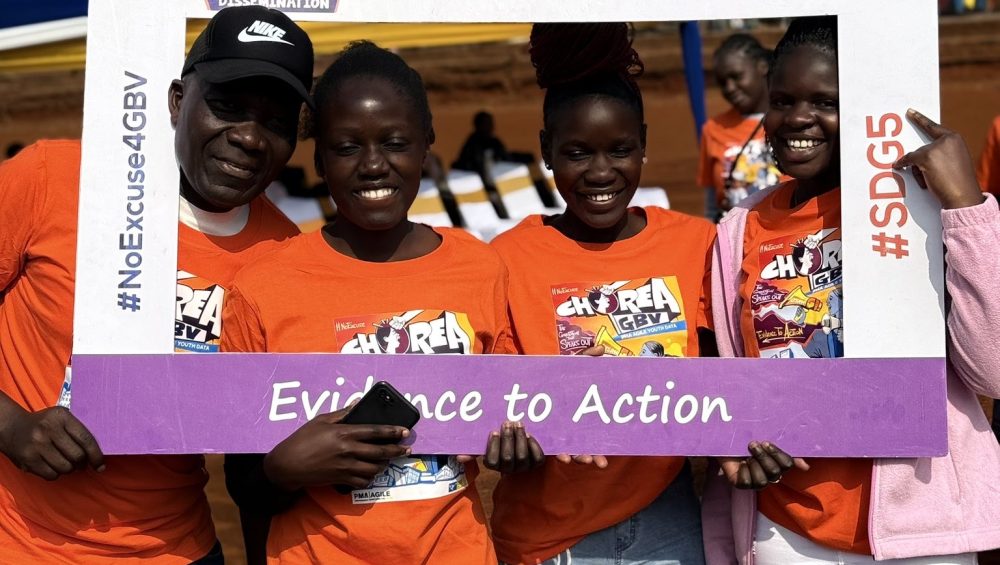
In a landmark gathering at the Githurai Youth Empowerment Centre, researchers from the International Centre for Reproductive Health Kenya (ICRHK), alongside partners including Kenyatta University, Johns Hopkins University (USA), and the National Council for Population and Development (NCPD), unveiled the 2024 results of the PMA Agile Nairobi Youth Cohort Survey. The event, themed “Evidence to Action: Advancing Youth Wellbeing through Data‑Driven Solutions”, drew policymakers, civil society representatives, and youth allies to confront sobering new evidence on gender‑based violence, sexual and reproductive health, and social norms among Nairobi’s young people.

Over the morning of Thursday, July 24, the longitudinal cohort of adolescents and youth aged 15–24 years—tracked annually since 2019—revealed deeply concerning patterns: intimate partner violence, technology‑facilitated abuse, menstrual stigma, and limited help‑seeking behaviour. The survey, carried out between October and December 2024, offers one of the most comprehensive urban youth data sets in Kenya’s recent history.
Key Findings
- Nearly 1 in 5 partnered young women reported experiencing physical violence, while over 1 in 5 disclosed sexual violence in the past year.
- On help‑seeking: more than a quarter of IPV survivors did not seek assistance. Barriers cited included fear, shame, distrust in formal systems, and family or community obstruction.
Additional insights included:
- Technology‑facilitated abuse impacted nearly half of youth with digital access, crossing boundaries of privacy and agency.
- Economic abuse was reported by 23% of partnered young women, including constraints on finances, mobile payments, work, or access to leaving the home independently.
- Menstrual stigma remained widespread—over 75% of young women reported shame, embarrassment, or practices to conceal menstruation, with minimal decline from 2023 to 2024.
Voices from the Forum
Prof. Peter Gichangi, principal investigator of PMA Agile, described the data as “sobering,” stressing that these figures represent real lives—daughters, students, sisters whose right to safety, dignity, and opportunity is under threat. He said: “IPV is the most prevalent form of violence, with 28.4% of partnered young women experiencing it in the past year”.

He added that “NPSV remains far from negligible, affecting 5.8% of young women” and that the under‑reporting of violence is as damaging as the abuse itself. He further called on duty bearers to recognize that “data without action is just decoration.”
During the event, slants of lived experience were dramatized in youth-led skits, placing flesh on the numbers and making clear that these issues are structural and intersectional—only solvable with holistic and youth-driven strategies.
Translating Data into Action
Speakers emphasized that the dataset offers a map for intervention, urging policymakers, local governments, and youth-focused organizations to translate findings into concrete programming. Specific actions urged included:
- Scaling up youth‑driven civic education and awareness efforts so survivors understand help‑seeking options and feel empowered to speak up.
- Equipping service providers—from community health volunteers and peer educators to police and counselors—with training and survivor‑centered tools.
- Investing in gender-transformative youth leadership, treating young people not as subjects of data but as architects of solutions.
- Embedding GBV indicators into national surveillance and digital systems, ensuring no form of violence goes unnoticed.
- Strengthening the justice continuum: survivor‑centered courts, safe spaces, accessible medical and legal pathways at the grassroots.
Prof. Gichangi reiterated: “Ending GBV is not one actor’s mission—it requires a united front across ministries, sectors, counties, civil society.” The hashtags shared throughout the event—#NoExcuseForGBV, #EndGBVNow, #SpeakUpStopViolence, #ProtectHerRights—served as digital rallying cries to sustain momentum beyond the room.
Relevance for Young Kenyans and MNA
For Migrant Narratives Africa and its audience, the report underscores the urgency of intersectional narratives—especially among urban, mobile, and marginalized youth. Nairobi is a hub of internal and cross-border migration; youth living in informal settlements or working in precarious sectors may face layered vulnerabilities. This study helps to quantify and locate those vulnerabilities, building grounds for targeted outreach among migrant youth who often fall through the cracks of service provision or civic inclusion.
Moreover, Gen Z and digital natives—the very demographic most exposed to technology‐facilitated harm—are simultaneously the most mobilized in online activism. As with recent youth‐led protests in Kenya, the data suggests that their resistance must be matched with institutional support, safe spaces, and responsive systems.
For MNA, this research offers an opportunity to:
- Collaborate with local chapters to produce contextually resonant civic literacy materials.
- Document testimonies and stories behind the statistics—especially among migrant youth or those navigating urban displacement.
- Advocate for data‐driven programming by partnering with service providers and government agencies, insisting that youth voices shape intervention models.
Next Steps
ICRHK and partners will continue disseminating the findings across counties, working with community-based organizations and youth actors. Follow-up messages encouraged engagement with official dashboards and briefs hosted on the PMA Data platform and the ICRHK digital platforms. More analysis—including policy briefs and peer-reviewed manuscripts—is expected to emerge in the coming months.
The event ended with a shared call: to refuse silence, to amplify voices, and to act collectively. As Prof. Gichangi concluded: “What I need is not sympathy—it is safety, support, and someone who believes me.” Let this be our inspiration—and our mandate.